



7 Smart Ways to Choose Ethical Gifts Today
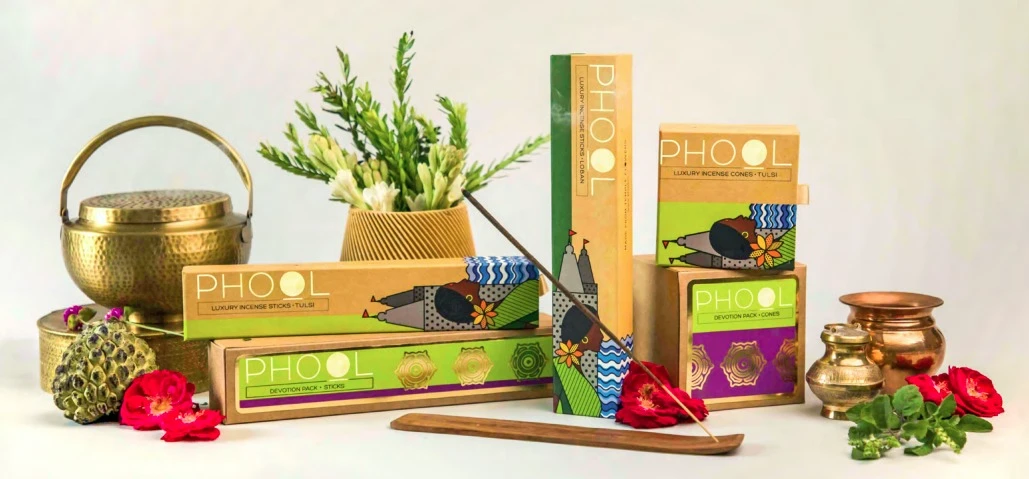

Gift-giving has evolved beyond just picking something pretty off the shelf. Today's conscious consumers are increasingly seeking presents that reflect their values, with 73% of global consumers willing to pay more for sustainable products. Yet many of us still struggle with how to choose ethical gifts that truly make a positive impact. The challenge isn't just finding something beautiful—it's discovering gifts that honour both the recipient and the planet. Whether you're shopping for Diwali, Christmas, or any special occasion, making thoughtful choices doesn't have to be overwhelming. These seven smart strategies will transform your approach to responsible gifting, helping you select presents that create lasting joy while supporting causes that matter.
Before diving into specific strategies, it's essential to understand what separates an ethical gift from conventional options. True ethical gifting goes beyond surface-level "green" marketing to encompass genuine social and environmental responsibility.
An ethical gift guide should consider multiple factors: environmental sustainability, fair labour practices, and community impact. Look for gifts made from renewable or recycled materials, produced under fair working conditions, and created by companies that give back to their communities. Responsible gifting means choosing items that won't harm the environment during production, use, or disposal.
The best conscious consumerism gifts benefit all three areas. They support workers with fair wages, minimise environmental damage, and ensure economic sustainability for producers. Gifts with a social impact often follow this framework, creating positive change that extends far beyond the initial purchase.
The foundation of ethical gift selection lies in understanding who you're buying from. A company's values and practices speak louder than their marketing claims.
Look for B-Corp certification, which indicates a business meets rigorous social and environmental standards. Fair trade gifts should carry official Fair Trade certification, ensuring producers receive fair compensation. For sustainable gifts, seek certifications like GOTS (Global Organic Textile Standard) or FSC (Forest Stewardship Council). These third-party validations provide assurance that your gift choices align with ethical standards.
Beware of vague terms like "natural" or "eco-friendly" without supporting evidence. Companies genuinely committed to ethics will provide detailed information about their supply chain, manufacturing processes, and impact metrics. If a brand can't clearly explain their ethical practices, consider looking elsewhere.
Sustainability should be at the heart of modern gift-giving. The materials, production methods, and lifecycle of your chosen gifts all contribute to their environmental impact.
Eco-friendly gifts utilise materials like bamboo, recycled metals, organic cotton, or innovative alternatives like flower-based bio-materials. Sustainable gifts often feature upcycled components, giving new life to materials that might otherwise become waste. Consider gifts made from agricultural waste, recycled ocean plastic, or sustainably harvested wood.
The most sustainable gift loses its impact if wrapped in excessive plastic packaging. Choose brands that use minimal, recyclable, or compostable packaging. Many eco gifts for festivals now come in beautiful, reusable containers that become part of the gift itself.
Choosing locally-made gifts creates ripple effects of positive impact throughout communities while reducing transportation emissions.
When you buy unique ethical gifts from local artisans, you're supporting traditional crafts and providing sustainable livelihoods. Local purchases typically have lower carbon footprints due to reduced shipping distances. Many artisan-made gifts also preserve cultural heritage and traditional techniques that might otherwise disappear.
Explore local markets, craft fairs, and online platforms that specifically support small-scale producers. Many cities have artisan collectives or co-operatives that make it easy to find authentic, locally-made gifts. Direct purchasing from makers ensures more of your money reaches the actual creators.
Some of the most meaningful gifts are those that extend their impact beyond the recipient to benefit broader communities or causes.
Charitable gifts with transparent giving models create double the impact. Look for companies that clearly explain how purchases translate into donations, whether it's providing clean water, planting trees, or supporting education programmes. The most effective models provide regular updates on the impact of customer purchases.
Gifts with a social impact can support various causes—from environmental conservation to education initiatives. Choose gifts from social enterprises that reinvest profits into community development or environmental restoration. These purchases become investments in positive change.
The most ethical approach to gifting often means buying fewer, higher-quality items that will last for years rather than multiple cheaper alternatives.
While sustainable gifts might cost more upfront, their durability often makes them more economical over time. Quality items reduce waste, as they won't need frequent replacement. Consider the total lifecycle cost, including repairs and eventual disposal, when evaluating gift options.
Look for gifts with timeless design and superior craftsmanship. Items made from high-quality materials with classic aesthetics remain relevant and cherished for decades. These become heirloom pieces that can be passed down, multiplying their value and reducing future consumption needs.
Sometimes the most ethical gift isn't a physical object at all. Experience-based gifts often have minimal environmental impact while creating lasting memories.
Unique ethical gifts in the form of experiences—cooking classes, workshop memberships, or cultural events—create joy without adding to material accumulation. These gifts often support local service providers and create memories that last longer than physical items.
Consider gifting pottery classes, organic farming workshops, or eco-tourism experiences. Many eco-friendly gifts in this category also educate recipients about sustainability, multiplying their positive impact through increased awareness.
Thoughtful gift-giving requires time and planning. Last-minute shopping often leads to compromised choices that don't align with ethical values.
Develop a curated list of trusted brands and products that align with your values. This ethical gift guide becomes your go-to resource for various occasions and budgets. Include options for different price ranges to ensure you're prepared for any gifting situation.
Understand the values and interests of frequent gift recipients. This knowledge helps you select responsible gifting options that truly resonate with them. Share information about the positive impact of their gifts, helping to spread awareness about ethical consumption.
While some ethical gifts have higher upfront costs, they often provide better value through superior quality and durability. Many affordable ethical options exist, especially when buying directly from producers or choosing experience-based gifts.
Look for third-party certifications, research the company's transparency reports, and check for detailed information about their supply chain and impact metrics. Genuine ethical companies are proud to share this information.
For smaller budgets (under INR 1,000), consider locally-made soaps, handcrafted items, or charitable donations. Mid-range options (INR 1,000-5,000) include organic textiles, sustainable home goods, or artisan-made accessories. Higher budgets allow for quality furniture, electronics from ethical brands, or comprehensive experience packages.
Focus on the positive aspects—supporting communities, protecting the environment, and choosing higher quality items. Share stories about the impact of ethical purchases rather than criticising conventional choices.
Look for certified B-Corps, fair trade organisations, local artisan markets, and online platforms that specifically curate ethical products. Many cities have sustainable lifestyle stores that specialise in ethical goods.
Learning how to choose ethical gifts is a journey that becomes easier with practice. Start by implementing one or two of these strategies for your next gift-giving occasion. As you become more comfortable with responsible gifting, you'll discover that ethical choices often lead to more meaningful, appreciated gifts. Remember that perfect is the enemy of good—every ethical choice you make contributes to positive change, even if you can't achieve 100% sustainability immediately. The goal is progress, not perfection, in creating a more conscious approach to gift-giving that honours both your relationships and your values.

