



Eco Holi Guide: Everything You Need to Know
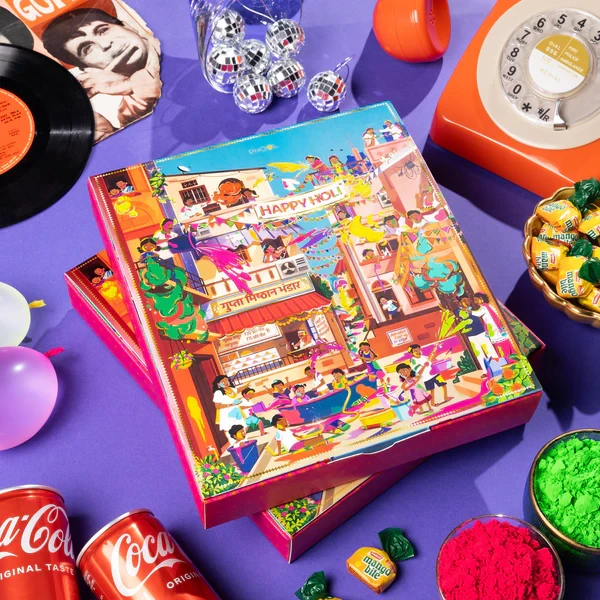

The festival of colours brings joy to millions across India, but traditional celebrations often leave behind a trail of environmental damage. Chemical-laden colours, excessive water usage, and synthetic materials can harm both our health and the planet. The good news? You can enjoy all the vibrant fun of Holi while keeping it completely eco-friendly. From making your own natural colours at home to celebrating without wasting precious water, there are countless ways to honour this beautiful tradition sustainably. Let's explore how to have eco holi that's better for you, your family, and Mother Earth.
An eco friendly holi celebration focuses on using natural, biodegradable materials instead of synthetic chemicals. Traditional Holi colours often contain harmful substances like lead, mercury, and industrial dyes that can cause skin allergies, respiratory problems, and long-term health issues. These chemicals also pollute our water bodies when washed off after celebrations. Sustainable holi celebration practices help preserve our environment while maintaining the festival's cultural essence. Studies show that conventional Holi celebrations can increase air pollution by up to 30% in urban areas due to synthetic colour powders. Water pollution levels also spike dramatically, affecting aquatic life and drinking water sources. Celebrating holi without chemicals offers numerous benefits. Your skin stays healthier, children can play safely, and you contribute to environmental conservation. Natural colours are gentler on sensitive skin and wash off more easily, reducing the need for harsh scrubbing or chemical removers.
Making your own homemade holi colors is surprisingly simple and cost-effective. You probably have most ingredients in your kitchen already. Natural colours not only protect your health but also connect you with traditional practices that our ancestors followed for centuries.
For vibrant red colours, dry beetroot slices in sunlight for 2-3 days, then grind them into fine powder. Mix with a small amount of rice flour for better texture. Rose petals work wonderfully too – dry them completely and powder them with sandalwood for a fragrant pink shade.
Turmeric creates the most beautiful yellow colour. Mix turmeric powder with gram flour (besan) in a 1:2 ratio for the perfect consistency. Dried marigold petals, ground finely, produce a lovely golden-yellow shade with a pleasant floral scent.
Blend dried spinach leaves or mint leaves into powder for natural green. For blue shades, mix indigo powder with corn starch. Spirulina powder, available at health stores, creates stunning blue-green colours that are completely safe.
Store your natural holi powder in airtight containers away from moisture. Most homemade colours last 6-8 months when stored properly. Label containers with preparation dates and ingredients for easy identification.
Water scarcity affects millions in India, making waterless holi celebrations increasingly important. Traditional dry Holi, known as "Rangwali Holi," actually predates the water-based celebrations we see today. Focus on dry colour powders instead of water balloons and buckets. Organize community events where participants use only natural dry colours. This approach is particularly suitable for areas facing water shortages or drought conditions. If you want some liquid element, use rose water or herbal sprays sparingly. These alternatives smell wonderful and are much gentler on skin than regular water mixed with synthetic colours. You can also create natural liquid colours by mixing flower extracts with minimal water.
Even with natural colours, following proper holi safety tips ensures everyone enjoys the festival safely. Apply coconut oil or mustard oil on exposed skin before playing Holi. This creates a protective barrier and makes colour removal easier later. Wear old, comfortable clothes that you don't mind getting stained. Cotton fabrics work best as they're breathable and easier to clean. Protect your hair with oil and consider wearing a cap or bandana. Keep your eyes closed when colours are being applied to your face. If colour accidentally gets in your eyes, rinse immediately with clean water. Have a first aid kit ready with basic supplies like cotton, clean water, and mild soap. For people with sensitive skin or allergies, do a patch test with natural colours 24 hours before the celebration. Apply a small amount on your inner wrist and check for any reactions.
Eco-friendly celebrations don't mean abandoning holi traditions. In fact, using natural colours brings us closer to how our ancestors celebrated this festival. Ancient texts mention using flowers, herbs, and natural pigments for Holi celebrations. Teach children about the environmental impact of their choices while maintaining the festival's joy and significance. Explain how natural colours connect us with nature and show respect for the environment. This creates awareness that lasts beyond the festival. Organize community workshops to make natural colours together. This builds social bonds while spreading eco-friendly practices. Share recipes and techniques with neighbors and friends to create a ripple effect of sustainable celebrations.
The fastest method is using turmeric for yellow, beetroot powder for red, and spinach powder for green. Mix each with rice flour or corn starch for better texture. These can be prepared in under 30 minutes.
Yes, organic holi colors made from kitchen ingredients are generally safe. However, always do a patch test first and avoid using colours around the eye area for very young children.
Homemade colours cost approximately INR 50-100 per kilogram, while good quality natural store-bought colours range from INR 200-500 per kilogram. You save money while ensuring quality.
Most natural colours wash out easily, especially if you treat stains immediately with cold water and mild soap. Turmeric might leave slight yellow tints on white fabrics, but this usually fades with subsequent washes.
Start by educating participants about water conservation. Provide only dry natural colours and organize activities like rangoli making, traditional music, and eco-friendly snacks. Set up hand-washing stations with minimal water for cleanup.
Wash the affected area immediately with cold water and mild soap. Apply aloe vera gel for soothing relief. If symptoms persist or worsen, consult a doctor immediately. Always keep antihistamines handy during celebrations.
Celebrating an eco friendly holi doesn't require sacrificing fun or tradition. By choosing natural colours, conserving water, and following safety guidelines, you create memorable celebrations that benefit everyone. Start small by making one or two natural colours at home this year. Share your experience with friends and family to inspire others. Remember that every small step towards sustainability makes a difference. Your choice to celebrate responsibly influences others and helps preserve our environment for future generations. This Holi, let's colour our world with joy while keeping it green and clean.

