



How Herbal Colors Are Made: Your Complete Guide
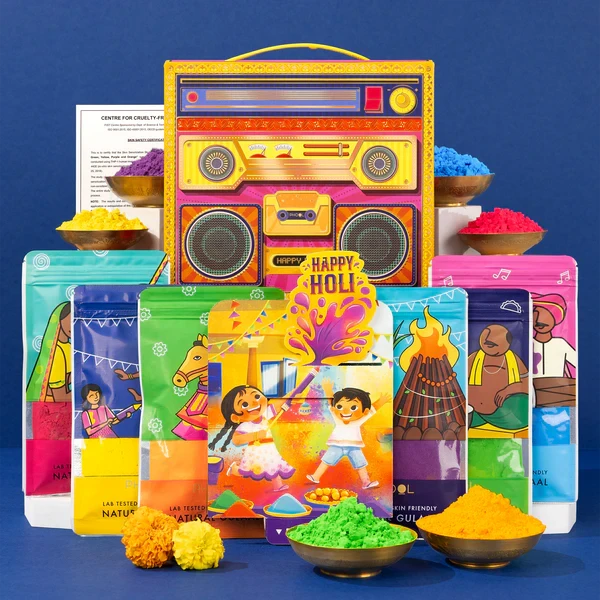

Ever wondered how those vibrant, skin-safe colors used during festivals like Holi come to life? The ancient art of creating herbal colors has been passed down through generations, transforming simple plants into brilliant pigments that celebrate life without harming our bodies or the environment. Unlike synthetic alternatives that often contain harmful chemicals, natural dyes offer a beautiful way to add color to our lives while staying true to traditional values. From the golden glow of turmeric to the deep crimson of beetroot, nature provides an incredible palette of plant based colors that have been cherished for centuries. Understanding how herbal colors are made opens up a world of possibilities for creating safe, eco-friendly alternatives to chemical-laden products.
Herbal colors represent a beautiful fusion of tradition and sustainability, created entirely from botanical dyes extracted from plants, flowers, and natural materials. These eco friendly dyes stand in stark contrast to synthetic alternatives that often contain heavy metals, artificial chemicals, and toxic substances that can irritate skin and harm the environment. The benefits of choosing organic colors extend far beyond their natural origins. They're gentle on sensitive skin, making them perfect for children and adults with allergies. Unlike chemical colors that can cause rashes, burning sensations, or respiratory issues, herbal pigments work harmoniously with your skin's natural pH levels. From an environmental perspective, these colors decompose naturally without leaving harmful residues in soil or water bodies. Historically, traditional dyes played crucial roles in festivals and celebrations across India. Ancient texts describe elaborate processes for creating festival colors natural using locally available plants and flowers. This knowledge wasn't just practical—it was deeply spiritual, connecting communities to nature's cycles and seasonal abundance.
The foundation of making natural dyes lies in understanding which plants yield the most vibrant and stable pigments. Each botanical source offers unique properties that determine the final color's intensity, longevity, and application method.
Turmeric (Curcuma longa) stands as the most popular source for golden yellow herbal pigments. Its active compound, curcumin, provides not only brilliant color but also antimicrobial properties. Fresh turmeric roots yield more vibrant hues than dried powder, though both work effectively for different applications. Beetroot creates stunning shades ranging from deep magenta to soft pink, depending on concentration and processing methods. The betalain pigments in beetroot are water-soluble and provide excellent coverage for both powder and liquid color preparations. Spinach and neem leaves offer rich green tones through their chlorophyll content. These leaves require careful processing to extract maximum pigment while maintaining color stability over time.
Wheat flour and rice flour serve as essential binding agents that help plant based colors adhere to skin and provide the right texture for application. These natural bases also help dilute intense pigments to achieve desired shade variations. Cornflour acts as a texture modifier, creating smoother consistency in powder colors while helping achieve lighter shades. Natural mordants like lemon juice or vinegar can enhance color fastness and prevent fading during storage.
The process of creating herbal colors combines traditional wisdom with practical techniques that ensure safety, quality, and vibrant results. Understanding each step helps maintain consistency and achieve professional-quality colors at home.
Before beginning the color-making process, gather essential tools including a high-quality grinder or food processor, fine-mesh strainers, mixing bowls, and measuring cups. Ensure all equipment is thoroughly clean to prevent contamination that could affect color quality or safety. Safety considerations include wearing gloves when handling certain plant materials, working in well-ventilated areas, and keeping ingredients away from eyes and mouth during processing. Some plants may cause temporary staining, so protect work surfaces appropriately.
Aqueous extraction involves boiling plant materials in water to concentrate pigments. This method works particularly well for flowers like marigold and rose petals, where heat helps break down cell walls and release maximum color compounds. Cold infusion preserves delicate essences in flowers that might be damaged by heat. This gentler approach takes longer but maintains subtle fragrances and prevents degradation of heat-sensitive pigments. Grinding techniques work best for roots like turmeric and dried materials. The key lies in achieving fine, uniform particles that distribute evenly and provide smooth application.
For yellow from turmeric, start with fresh roots when possible. Clean, dry, and grind them into fine powder. Mix with wheat flour in a 1:2 ratio for powder colors, or create liquid versions by boiling turmeric in water and straining the concentrated extract. Red from beetroot requires extracting juice through grating and pressing fresh beetroots. Mix the concentrated juice with rice flour to create powder, or use the pure juice for liquid applications. Adding a small amount of lemon juice helps stabilize the color. Green from herbs involves blanching fresh leaves briefly in boiling water, then grinding them with minimal water to create a concentrated paste. Strain and mix with cornflour for powder consistency.
The evolution of dyeing with plants reflects both preservation of ancient wisdom and adaptation to contemporary needs. Traditional methods emphasized seasonal availability and regional plant varieties, creating unique color palettes that varied by geography and time of year.
Historical records describe elaborate community processes where entire villages participated in preparing festival colors natural for celebrations. Elders would guide younger generations through time-tested techniques, ensuring knowledge transfer and maintaining quality standards. Regional variations developed based on local flora availability. Coastal areas utilized different plants than mountain regions, creating distinct color traditions that reflected local ecosystems and cultural preferences.
Modern equipment allows for more efficient extraction and consistent results while maintaining the integrity of natural ingredients. High-speed grinders, precise temperature controls, and improved filtration systems help create professional-quality organic colors with better shelf life and stability. Quality control measures now include pH testing, color fastness evaluation, and safety assessments that ensure products meet contemporary health and safety standards while preserving traditional effectiveness.
Properly stored herbal colors can last 6-12 months for powder forms and 2-3 months for liquid preparations. Store in airtight containers away from direct sunlight and moisture to maintain color intensity and prevent spoilage.
Yes, mixing different botanical dyes creates beautiful custom shades. Combine yellow turmeric with red beetroot for orange, or mix blue indigo with yellow for green variations. Start with small quantities to test color combinations before making larger batches.
Herbal colors are generally much gentler than synthetic alternatives, but individual sensitivities can vary. Always perform a patch test on a small skin area before full application, especially for children or people with known plant allergies.
Powder colors offer longer shelf life and easier storage, while liquid colors provide more intense pigmentation and smoother application. Powder forms work better for dry application during festivals, while liquids suit artistic and craft applications.
Increase pigment concentration by using more plant material relative to base ingredients. For turmeric, use fresh roots instead of dried powder. For beetroot, extract juice from deeply colored varieties. Adding small amounts of natural acids like lemon juice can also enhance certain colors.
Creating herbal colors connects us to centuries of traditional wisdom while supporting environmental sustainability and personal health. The process of transforming simple plants into vibrant natural dyes offers both practical benefits and deeper satisfaction that comes from working with nature's gifts. Whether preparing colors for festival celebrations or exploring creative applications, understanding how herbal colors are made empowers us to make conscious choices that honor both tradition and environmental responsibility. As more people seek alternatives to chemical-laden products, these time-tested techniques for making natural dyes provide accessible pathways to healthier, more sustainable living. The journey from plant to pigment reminds us that some of life's most beautiful experiences come from the simplest, most natural sources.

