



How to Create a Sustainable Holi Celebration
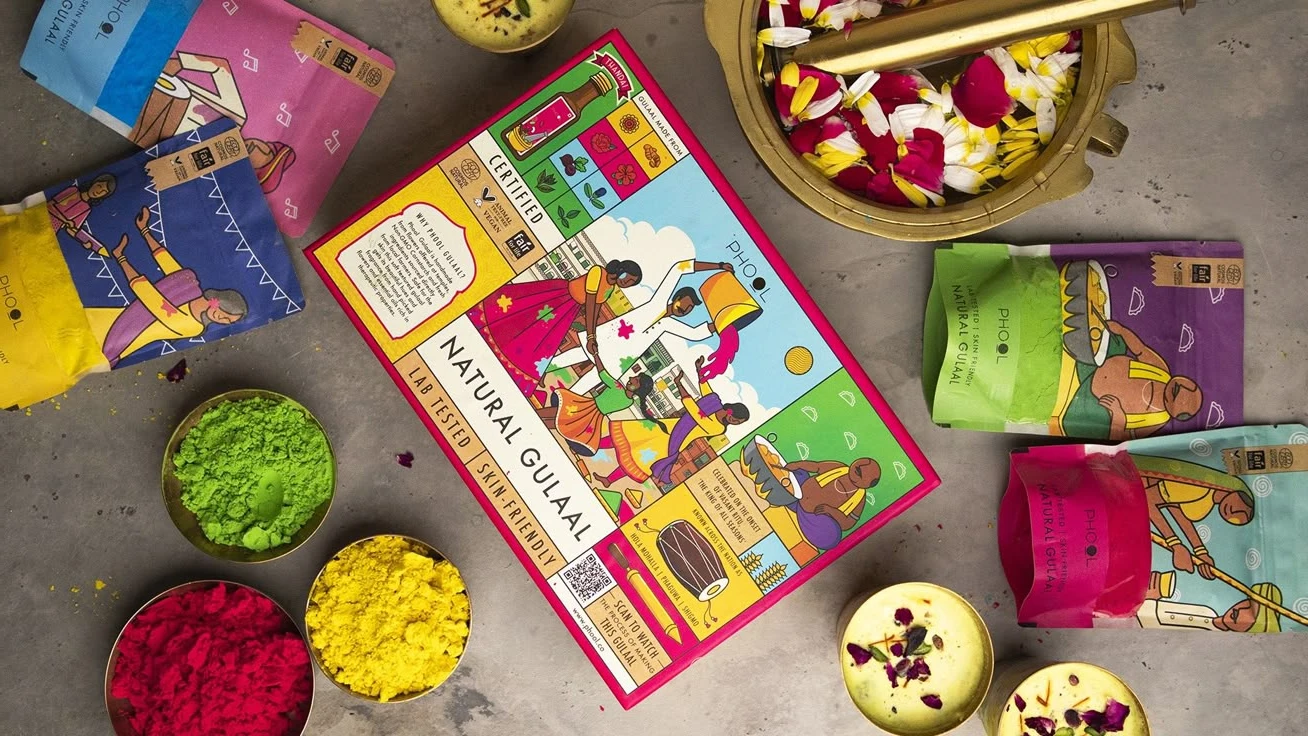

Holi, the vibrant festival of colors, brings joy and unity to millions worldwide, but traditional celebrations often leave behind environmental damage that can last for months. From synthetic colors containing harmful chemicals to excessive water waste and plastic pollution, the festival's ecological footprint has grown concerning. However, celebrating a sustainable Holi doesn't mean compromising on fun or tradition. By embracing eco-friendly Holi practices, you can honor this beautiful festival while protecting the environment for future generations. This guide will show you how to create memorable, colorful celebrations that are both joyful and environmentally responsible, proving that conscious choices can enhance rather than diminish your festive experience.
Traditional Holi celebrations have evolved significantly from their ancient roots, often incorporating practices that harm our environment. Modern synthetic colors contain heavy metals like lead, mercury, and chromium, which can cause skin allergies, respiratory issues, and long-term health problems. These chemicals don't just affect human health—they contaminate soil and water sources when washed away after celebrations.
The festival's water consumption has also reached alarming levels in many regions. Additionally, the massive amounts of plastic packaging, disposable items, and non-biodegradable decorations contribute to India's growing waste crisis. Understanding these impacts helps us make better choices for our Holi and environment protection efforts.
Synthetic Holi colors often contain industrial dyes and toxic substances that were never meant for human contact. Red colors frequently contain mercury sulfide, while green variants may include copper sulfate and malachite green. These chemicals can penetrate skin pores and cause immediate reactions like rashes, eye irritation, and breathing difficulties.
A truly sustainable Holi encompasses three core principles: environmental responsibility, health consciousness, and cultural authenticity. This means choosing celebration methods that minimize ecological damage while preserving the festival's spiritual and social significance. Sustainable practices focus on using natural, biodegradable materials, reducing water consumption, and eliminating harmful chemicals from the festivities.
The concept extends beyond just using organic Holi colors—it involves rethinking every aspect of celebration, from decorations and food to waste management and community engagement. A conscious Holi celebration considers the long-term impact of festive choices on local ecosystems, water bodies, and community health.
Environmental stewardship forms the foundation, requiring celebrants to choose materials and practices that don't harm natural ecosystems. Health consciousness ensures that all celebration elements are safe for participants of all ages, while cultural preservation maintains the festival's traditional essence.
Creating natural Holi colors at home is surprisingly simple and cost-effective, typically costing 50-70% less than commercial synthetic alternatives. These homemade colors are not only safer for your family but also provide vibrant, beautiful hues that rival any store-bought option. The process requires common kitchen ingredients and basic preparation techniques that anyone can master.
Natural color preparation also becomes a wonderful family activity, allowing children to learn about traditional practices while contributing to environmental protection. Most homemade colors can be prepared 2-3 days before the festival and stored in airtight containers for optimal freshness.
Beetroot powder creates stunning deep red shades when mixed with cornstarch or rice flour. Simply dry beetroot slices in sunlight for 2-3 days, then grind into fine powder. Alternatively, mix dried red rose petals with sandalwood powder for a fragrant, skin-friendly red color that costs approximately INR 50-80 per 100 grams.
Turmeric powder remains the most popular choice for yellow, offering natural antiseptic properties. For orange hues, combine turmeric with a small amount of red beetroot powder. Marigold flowers, when dried and powdered, create beautiful golden-yellow colors while adding natural fragrance to your celebration.
Implementing effective water conservation during Holi celebration ideas requires strategic planning and community cooperation. Traditional water-based celebrations can be modified to use 80-90% less water while maintaining the festival's joyful spirit. Smart water management focuses on reusing, recycling, and reducing consumption through innovative celebration techniques.
Modern water conservation strategies include using spray bottles instead of buckets, organizing dry color celebrations, and setting up water recycling stations. These eco-friendly Holi tips help create more inclusive celebrations for water-scarce regions while maintaining the festival's essence.
Dry Holi celebrations focus on powder colors applied gently by hand, eliminating water usage entirely. This traditional method, called "Rang Barse," creates beautiful color effects while allowing easy cleanup. Participants can brush off excess powder and save water for essential needs.
Ensuring safe Holi practices becomes especially crucial when children and individuals with sensitive skin participate in celebrations. Natural colors and gentle application techniques prevent allergic reactions while allowing everyone to enjoy the festival safely. Preparation includes skin protection measures, appropriate clothing choices, and post-celebration care routines.
Children's skin is particularly susceptible to chemical damage from synthetic colors, making natural alternatives essential for family celebrations. Pre-celebration skin preparation and immediate post-festival care significantly reduce the risk of irritation or long-term skin damage.
Apply coconut oil or natural moisturizer to exposed skin areas 30 minutes before celebration begins. This creates a protective barrier that makes color removal easier while preventing direct chemical contact. Cover hair with natural oils like mustard or coconut oil to prevent color absorption and damage.
Creating waste-free Holi decorations requires creativity and commitment to sustainable materials. Traditional decorations often include plastic banners, synthetic flowers, and disposable items that contribute to environmental pollution. Sustainable alternatives use natural materials, reusable items, and biodegradable options that can be composted after the festival.
Eco-friendly decorations often prove more beautiful and meaningful than mass-produced alternatives. They provide opportunities for family bonding through DIY projects while teaching children about environmental responsibility and traditional crafts that connect us to our cultural roots.
Use fresh flowers, leaves, and branches to create stunning rangoli patterns and hanging decorations. Marigold garlands, rose petals, and mango leaves provide vibrant colors while remaining completely biodegradable. These natural decorations typically cost INR 100-300 for entire home decoration, significantly less than synthetic alternatives.
Yes, properly prepared natural colors can be just as vibrant as synthetic alternatives. Colors made from beetroot, turmeric, and other natural ingredients produce beautiful, rich hues. While the intensity may differ slightly, natural colors offer unique beauty and are much safer for skin and environment.
Sustainable Holi celebrations typically cost 40-60% less than traditional commercial celebrations. A family can celebrate sustainably for INR 500-1000 compared to INR 1500-2500 for conventional celebrations. Long-term savings increase when reusable decorations and bulk purchasing strategies are employed.
Natural colors are significantly less likely to cause allergic reactions compared to synthetic alternatives. However, individuals with specific plant allergies should test small amounts before full application. Always use pure, properly prepared natural ingredients and avoid adding unknown substances.
Start by demonstrating sustainable practices in your own celebration and sharing positive results with neighbors. Organize educational workshops, provide cost-benefit comparisons, and highlight health advantages. Lead by example and gradually build community support through consistent advocacy and showcasing the beauty of eco-friendly celebrations.
Creating a sustainable Holi celebration represents a meaningful step toward environmental responsibility without sacrificing the joy and tradition of this beloved festival. By embracing natural colors, water conservation, waste reduction, and community engagement, you can create celebrations that are both memorable and environmentally conscious. The transition to sustainable practices often results in cost savings, improved health outcomes, and stronger community connections while preserving the festival's cultural significance for future generations. Remember that every small change contributes to larger environmental protection efforts, making your celebration a beautiful expression of care for both tradition and our planet.

