



Safe Holi Colors for Kids: Your Complete Guide
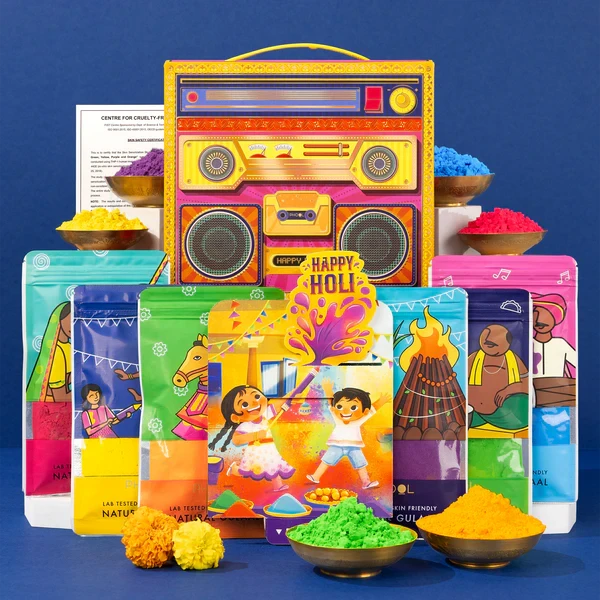

Holi brings immense joy to families across India, but as parents, we often worry about the safety of colours used during celebrations. With children's delicate skin being more sensitive than adults, choosing safe holi colors for kids becomes crucial for worry-free festivities. The festival of colours should be about laughter and memories, not skin irritation or health concerns. Traditional synthetic colours contain harmful chemicals that can cause allergic reactions, skin rashes, and even respiratory issues in little ones. This comprehensive guide will help you navigate through the best options for natural holi colors that keep your children safe while preserving the authentic spirit of this beautiful festival.
Children's skin is significantly thinner and more permeable than adult skin, making them vulnerable to chemical absorption from synthetic colours. Recent studies by dermatologists show that over 60% of Holi-related skin problems occur in children under 12 years. These synthetic colours often contain lead, mercury, and other heavy metals that can cause immediate reactions like burning sensations, eye irritation, and breathing difficulties. The long-term effects are equally concerning. Repeated exposure to chemical-laden colours can lead to skin sensitisation, making children more prone to allergies throughout their lives. Paediatricians across India now recommend using only organic holi powder and herbal holi colors for children's celebrations. The good news is that awareness about holi color safety is growing, and parents are increasingly choosing natural alternatives that don't compromise on the fun factor.
Navigating the world of holi colors for children can feel overwhelming with so many options available. Understanding the difference between various types helps you make informed decisions for your family's safety.
Organic colours are derived from natural sources like flowers, vegetables, and herbs without any chemical processing. They're certified by recognised bodies and undergo strict quality checks. While synthetic colours might cost as little as INR 50 per kilogram, quality non toxic holi colors range from INR 200-500 per kilogram – a small price for your child's health.
Herbal colours use time-tested ingredients like turmeric for vibrant yellows, beetroot for stunning pinks, and spinach for fresh greens. These herbal holi colors not only provide beautiful shades but also offer skin benefits. Turmeric has antiseptic properties, while rose petals provide natural moisturising effects.
The best skin friendly holi colors are pH-balanced, hypoallergenic, and dermatologist-tested. Look for products that specifically mention being suitable for children and avoid anything containing artificial fragrances, preservatives, or synthetic dyes.
Choosing the best holi colors means understanding which natural ingredients create beautiful, safe colours for your children. Nature provides an incredible palette that's both vibrant and gentle.
Your kitchen holds treasures for creating gentle holi colors. Turmeric powder creates the most authentic yellow, while beetroot powder gives lovely pink and red shades. Spinach powder, when dried and ground, produces beautiful green hues. Gram flour serves as an excellent base that helps colours stick better while being completely safe for skin contact.
Flowers have been used for centuries to create natural dyes. Rose petals create soft pink shades, marigold flowers produce vibrant orange, and hibiscus gives deep red colours. Tesu flowers, traditionally used in Holi celebrations, provide the classic yellow that's been part of Indian festivals for generations.
Creating homemade holi colors is easier than you might think and ensures complete control over ingredients. These recipes use simple, safe ingredients that you can prepare with your children.
Turmeric Yellow Color: Mix 2 cups turmeric powder with 1 cup gram flour. Add a pinch of sandalwood powder for fragrance. Store in airtight containers for up to 6 months. Beetroot Pink Color: Dry fresh beetroot slices in sunlight for 3-4 days, then grind into fine powder. Mix with equal parts gram flour for better application. This creates a beautiful pink that's completely natural. Spinach Green Color: Blanch fresh spinach leaves, dry them completely, and grind into powder. Mix with gram flour base for the perfect green shade that's gentle on skin. Gram Flour Base Recipe: Roast 4 cups gram flour until fragrant. Let it cool completely before adding natural colorants. This base helps colours apply smoothly and wash off easily. Rose Petal Pink Color: Collect fresh rose petals, dry them in shade for a week, then grind into fine powder. This creates a fragrant, gentle pink colour perfect for sensitive skin.
Always wash your hands thoroughly before and after preparation. Test small amounts on your child's arm before full application. Store colours in clean, dry containers and label them with preparation dates. Fresh homemade colours should be used within 2-3 months for best results.
Proper application techniques ensure your children enjoy Holi safely without any adverse reactions. Preparation is key to a successful celebration.
Apply coconut oil or baby oil generously on your child's skin and hair 30 minutes before playing. This creates a protective barrier that makes colour removal easier. Dress children in old, comfortable clothes that cover most of their body. Apply petroleum jelly around the eyes and lips for extra protection.
Teach children to apply colours gently using palms rather than throwing. Supervise younger children constantly and ensure they don't put coloured hands near their mouth or eyes. Keep water bottles handy for regular hydration and immediate washing if needed.
Use lukewarm water and mild soap for colour removal. Avoid scrubbing harshly – let the oil do its work. Apply moisturiser after cleaning to prevent skin dryness. For stubborn colours, use a paste of gram flour and milk for gentle removal.
For toddlers, stick to single-ingredient natural colours like pure turmeric powder or rose petal powder. Avoid any mixed colours or those with added fragrances. Always do a patch test 24 hours before use.
While food colouring is technically safe for consumption, it's not ideal for skin application during Holi. These colours can stain skin and clothes more permanently than natural alternatives. Stick to colours specifically made for skin application.
Use coconut oil as a pre-wash treatment, then shampoo with a mild baby shampoo. For stubborn colours, make a paste of gram flour and curd, apply for 10 minutes, then wash with lukewarm water.
Yes, organic holi powder typically costs INR 200-500 per kilogram compared to INR 50-100 for synthetic colours. However, considering the health benefits and safety for children, the investment is worthwhile.
Babies under 6 months should avoid direct colour contact. For babies 6-12 months, use only a tiny amount of turmeric powder with adult supervision. Always consult your paediatrician before introducing any colours to infants.
Immediately wash the affected area with cold water and mild soap. Apply aloe vera gel or calamine lotion for soothing. If symptoms persist or worsen, consult a doctor immediately. Keep antihistamines handy during Holi celebrations.
Choosing safe holi colors for kids doesn't mean compromising on the joy and vibrancy of this beautiful festival. Natural and organic holi powder options provide the same stunning colours while keeping your children safe from harmful chemicals. Whether you choose to buy certified organic colours or create your own homemade holi colors, the key is prioritising your child's health without sacrificing the festive spirit. Remember, the memories you create during Holi will last a lifetime – make sure they're filled with laughter, not worry about safety. Start preparing early, involve your children in making natural colours, and enjoy a celebration that's both traditional and responsible.

