



11 Tips for Lasting Car Freshness: Beyond Air Fresheners

Your car should be your personal sanctuary, but most car air fresheners barely last a week before losing their punch. The truth is, achieving lasting car freshness isn't just about hanging something from your rearview mirror—it's about understanding the science behind odours and implementing smart strategies that work with your car's environment. Whether you're dealing with stubborn food smells, monsoon mustiness, or just want that fresh-car feeling to last longer, these proven tips for car freshness will transform your driving experience from ordinary to extraordinary.
Before diving into solutions, let's understand why your car develops those persistent smells in the first place. Most people think a quick spray or hanging car air freshener will solve everything, but that's like putting a band-aid on a deeper issue.
The real culprits hiding in your car include food particles trapped in seat crevices, moisture from wet clothes or umbrellas, and fabric absorption from everything you bring inside. Your car's enclosed environment creates the perfect breeding ground for bacteria and mould, especially during India's humid months. Traditional air fresheners often mask these odours temporarily rather than eliminate them, which is why that "new car smell" spray fades so quickly.
India's diverse climate zones present unique challenges. In Mumbai's coastal humidity, moisture becomes your biggest enemy. Delhi's dusty winters require different strategies than Chennai's year-round heat. Understanding your local climate helps you choose the right approach to remove car smells effectively.
Think of this as the foundation of lasting car freshness. No amount of fragrance can overcome embedded dirt and grime, so start with a thorough car interior detailing session.
Begin by removing everything from your car—yes, everything. Check under seats, in door pockets, and glove compartments for forgotten food wrappers or damp items. Vacuum thoroughly, paying special attention to seat cracks where crumbs love to hide.
Mix equal parts white vinegar and water in a spray bottle for a natural cleaning solution. Spray lightly on fabric seats and wipe with a microfibre cloth. For leather seats, use a gentle leather cleaner followed by a conditioner to prevent cracking.
Dirty air vents can sabotage even the best car fragrance efforts. Use a small brush or cotton swabs dipped in rubbing alcohol to clean each vent thoroughly. This ensures better air circulation and prevents musty odours from mixing with your chosen scent.
Commercial air fresheners often contain harsh chemicals that can trigger headaches or allergies. Natural car freshener alternatives not only smell better but also last longer and support your health.
Create your own homemade car freshener using essential oils. Soak wooden clothespins in your favourite essential oil and clip them to your air vents. Eucalyptus works brilliantly for its antibacterial properties, while lavender creates a calming driving environment.
Place small bamboo charcoal bags under your seats. These natural car odor eliminator solutions absorb moisture and neutralise smells without adding any fragrance. They're particularly effective during monsoon season when humidity levels spike.
Used coffee grounds in a breathable fabric pouch work wonders for eliminating stubborn odours. Baking soda sprinkled on carpets overnight (then vacuumed) neutralises acidic smells from spilled drinks or food.
Where you place your car air freshener determines how well it works. Most people get this wrong, which is why their efforts fail quickly.
The key is understanding your car's airflow patterns. When your AC runs, air circulates from the vents throughout the cabin. Placing fragrance sources near these vents ensures even distribution without overwhelming any single area.
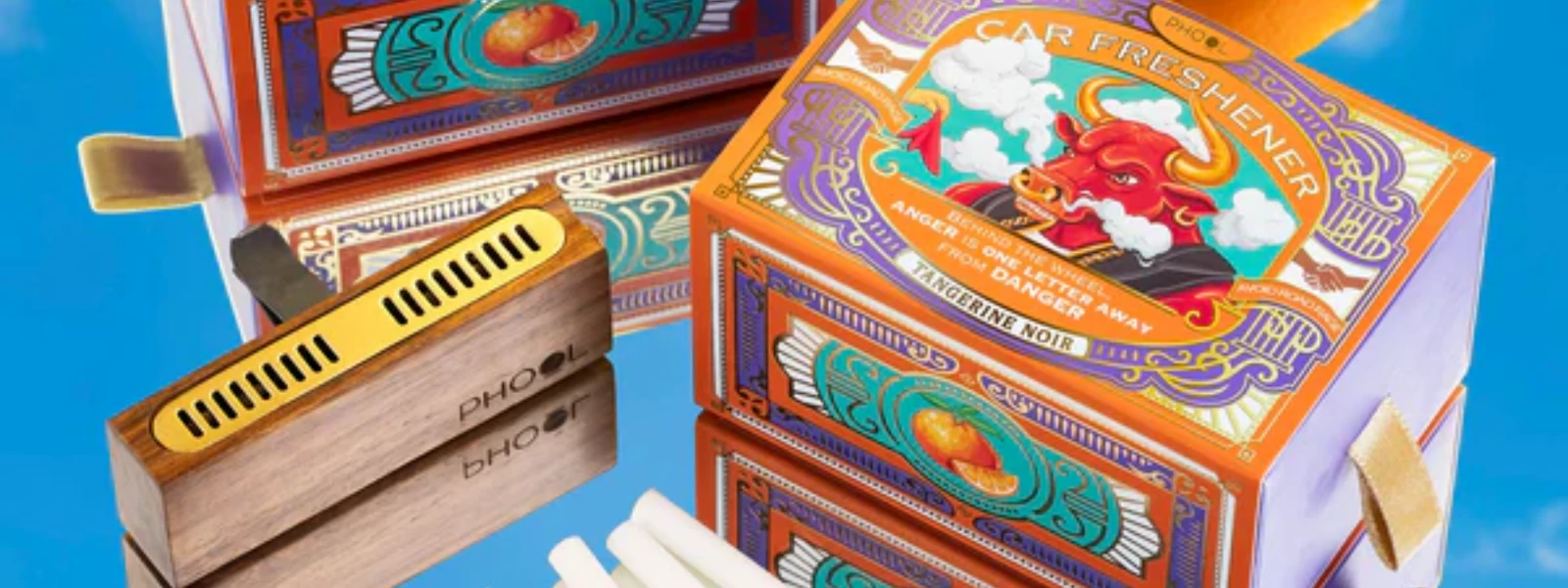
Clip-on vent fresheners work best when positioned on the centre vents rather than side ones. This creates a more balanced scent distribution. For a premium experience, consider wooden diffusers that use passive airflow—like those handcrafted from Sheesham wood with magnetic closure systems that deliver steady, long-lasting fragrance without spills or electricity.
Never place air fresheners on your dashboard where direct sunlight can cause rapid evaporation and potential damage to your car's interior. Under-seat placement works well for odour absorbers but not for active fragrances that need air circulation.
Maintaining car freshness requires more than just replacing air fresheners. These advanced car cleaning tips ensure your efforts last months, not days.
Timing your ventilation makes a huge difference. Before starting your car on hot days, open all windows for two minutes to let trapped hot air escape. This prevents your air freshener from working overtime against stale, heated air.
Keep silica gel packets (from shoe boxes or electronics) in your glove compartment to absorb excess moisture. During monsoon season, run your AC on recirculation mode for the first few minutes to reduce humidity before switching to fresh air mode.
Your best car scent choices should change with the seasons. Light, citrusy fragrances work well in summer heat, while warmer, spicier scents complement winter drives. This prevents scent fatigue and keeps your car smelling fresh year-round.
Even with the best intentions, car freshness efforts sometimes go wrong. Here's how to fix the most common issues and get back to enjoying your drive.
If your car fragrance fades too quickly, the problem usually lies in poor air circulation or competing odours. Check that your air vents aren't blocked and that you've addressed underlying smell sources before adding new fragrance.
Too much of a good thing can trigger headaches or nausea. If your car aromatherapy becomes overwhelming, remove the source immediately and ventilate your car thoroughly. Next time, start with less fragrance and build up gradually.
For quick odour elimination when you're in a hurry, keep a small spray bottle with diluted white vinegar in your car. A few spritzes on fabric surfaces followed by fresh air circulation can neutralise most smells within minutes.
A quality car air freshener should provide noticeable fragrance for 4-6 weeks minimum. Premium options with essential oils and proper design can last up to 75 days. If yours fades within a week, you're likely dealing with poor quality products or underlying odour issues.
Pure essential oils are generally safe when used properly. Avoid direct contact with leather or plastic surfaces, and always dilute oils before use. Stick to established brands that test their products for automotive use.
Light, fresh scents work best in compact cars. Citrus, mint, or light floral fragrances won't overwhelm small spaces. Avoid heavy, musky scents that can become cloying in confined areas.
Soak felt pads or wooden pieces in 10-15 drops of essential oil mixed with a carrier oil like jojoba. Place in a small container with holes for ventilation. Refresh weekly by adding 2-3 more drops of essential oil.
This happens when air fresheners mix with existing odours instead of eliminating them. Always clean your car thoroughly before adding any fragrance. Chemical reactions between different scent compounds can create unpleasant smells.
Natural options typically need refreshing every 2-4 weeks, depending on usage and climate. Charcoal bags can be recharged by placing them in direct sunlight for a few hours monthly.
Achieving lasting car freshness goes far beyond traditional air fresheners. By understanding odour sources, implementing thorough cleaning routines, and choosing natural solutions, you can transform your daily commute into a pleasant sensory experience. Remember that the best approach combines proper cleaning, strategic placement, and quality fragrance sources that work with your car's environment rather than against it.
Whether you choose DIY solutions or invest in premium wooden diffusers with essential oil-infused sticks, the key is consistency and understanding your car's unique needs. With these proven strategies, you'll enjoy months of fresh, inviting car fragrance that makes every journey more enjoyable.

