



The Ultimate Car Odor Elimination Guide: Essential Checklist

Nothing ruins a pleasant drive quite like an unpleasant odor wafting through your car. Whether it's lingering food smells, pet accidents, or that mysterious musty scent that appeared overnight, car odors can transform your daily commute into an uncomfortable experience. The good news? With the right approach and systematic methods, you can eliminate virtually any smell from your vehicle. This comprehensive car odor elimination guide will walk you through proven techniques, natural solutions, and professional tips to restore your car's fresh interior permanently.
Before diving into solutions, identifying the root cause of your car's odor problem is crucial for effective treatment. Different odor sources require specific approaches, and understanding these distinctions will save you time and effort in your car odor removal journey.
Spilled coffee, forgotten lunch containers, and sticky soda residues create some of the most persistent car odors. These organic materials decompose over time, creating bacterial growth that intensifies smells. Check under seats, in cup holders, and between cushions where spills often hide unnoticed.
Cigarette smoke penetrates deep into upholstery fibers, headliners, and air conditioning systems. Third-hand smoke residue clings to surfaces long after smoking stops, creating health concerns alongside unpleasant odors. Even vaping leaves behind residues that can develop into noticeable smells over time.
Pet accidents, wet fur, and accumulated dander create complex odor challenges. These biological materials require enzyme-based treatments to break down odor-causing compounds completely. Pet anxiety during car rides often leads to accidents in hard-to-reach areas.
Humidity buildup from wet clothes, leaky windows, or poor ventilation creates perfect conditions for mold growth. These musty odors indicate potential health hazards and require immediate attention to prevent spreading throughout your vehicle's interior.
Successful car smell solutions start with thorough preparation. Taking time to assess the situation and gather proper supplies ensures efficient and effective odor elimination.
Conduct a systematic inspection of your entire vehicle interior. Use your nose to pinpoint odor concentration areas, and visually examine all surfaces for stains, discoloration, or visible contamination. Document problem areas to track your progress throughout the cleaning process.
Collect basic cleaning materials including microfiber cloths, vacuum cleaner with attachments, and appropriate cleaning solutions. Stock up on natural odor absorbers like baking soda, activated charcoal, and white vinegar. Having everything ready prevents interruptions during the cleaning process.
Ensure proper ventilation by opening all doors and windows during cleaning. Wear protective gloves when handling cleaning chemicals, and avoid mixing different products. Keep the area well-ventilated, especially when using strong-smelling solutions or commercial odor eliminators.
This systematic approach to car interior cleaning addresses odors at their source while preventing future problems. Follow these steps in order for maximum effectiveness.
Remove all personal items, trash, and debris from your vehicle. Vacuum thoroughly, paying special attention to crevices, under seats, and between cushions where odor-causing materials accumulate. Use vacuum attachments to reach air vents and tight spaces where particles hide.
Apply appropriate cleaning solutions to identified problem areas. For fabric surfaces, use upholstery cleaners or homemade solutions. Clean hard surfaces with appropriate sanitizers, and don't forget to replace or clean air filters that may harbor odor-causing particles.
Sprinkle baking soda generously over fabric surfaces and let sit overnight before vacuuming. Place activated charcoal bags in various locations throughout the car. Create vinegar solutions for spray application on hard surfaces, allowing natural neutralization of odor molecules.
Natural approaches to eliminate car smells offer safe, chemical-free alternatives that are gentle on both your health and the environment. These methods work gradually but provide lasting results without harsh synthetic fragrances.
Coffee grounds excel at absorbing strong odors—place dried grounds in breathable containers throughout your car. Fresh orange peels provide natural citrus freshening while absorbing moisture. Essential oils on cotton balls create pleasant scents while neutralizing existing odors.
Mix equal parts white vinegar and water for an effective spray solution that neutralizes most odors. Create baking soda paste with water for stubborn stains and odors. Combine dried herbs like lavender or rosemary with baking soda for natural fragrance absorption.
Rotate absorption materials weekly to maintain effectiveness. Establish seasonal freshening routines that address changing humidity and temperature conditions. Implement prevention strategies like immediate spill cleanup and regular ventilation to avoid future odor problems.
When natural methods aren't sufficient, professional-grade techniques can tackle severe odor problems. These advanced approaches require careful application but deliver powerful results for persistent smells.
Steam cleaning penetrates deep into fabric fibers, killing bacteria and removing embedded odors. Use appropriate temperature settings for different materials—lower heat for delicate fabrics, higher for durable surfaces. Allow complete drying to prevent moisture-related odor development.
Ozone generators eliminate odors by breaking down odor molecules at the molecular level. This powerful technique requires safety precautions—never occupy the vehicle during treatment. Reserve ozone treatment for severe odors that resist other methods.
Biological enzymes break down organic odor sources like pet accidents and food spills. Apply enzyme cleaners according to manufacturer instructions, allowing sufficient contact time for complete breakdown. These treatments work slowly but provide permanent odor elimination.
Selecting the right car odor eliminator depends on your specific needs, preferences, and odor severity. Modern solutions range from traditional hanging fresheners to innovative natural alternatives that provide lasting freshness.
Spray fresheners offer immediate results but require frequent reapplication. Gel-based products provide longer-lasting fragrance with gradual release. Hanging fresheners are convenient but may contain harsh chemicals that some people find overwhelming.
Replace cabin air filters every 12,000-15,000 miles or annually to maintain clean airflow. Consider upgrading to HEPA filters for superior odor and particle filtration. Clean ventilation systems regularly to prevent odor accumulation in ductwork.
Establish weekly cleaning routines that address potential odor sources before they become problems. Use protective measures like seat covers and floor mats in high-risk situations. Implement early intervention techniques—address spills and accidents immediately to prevent odor development.
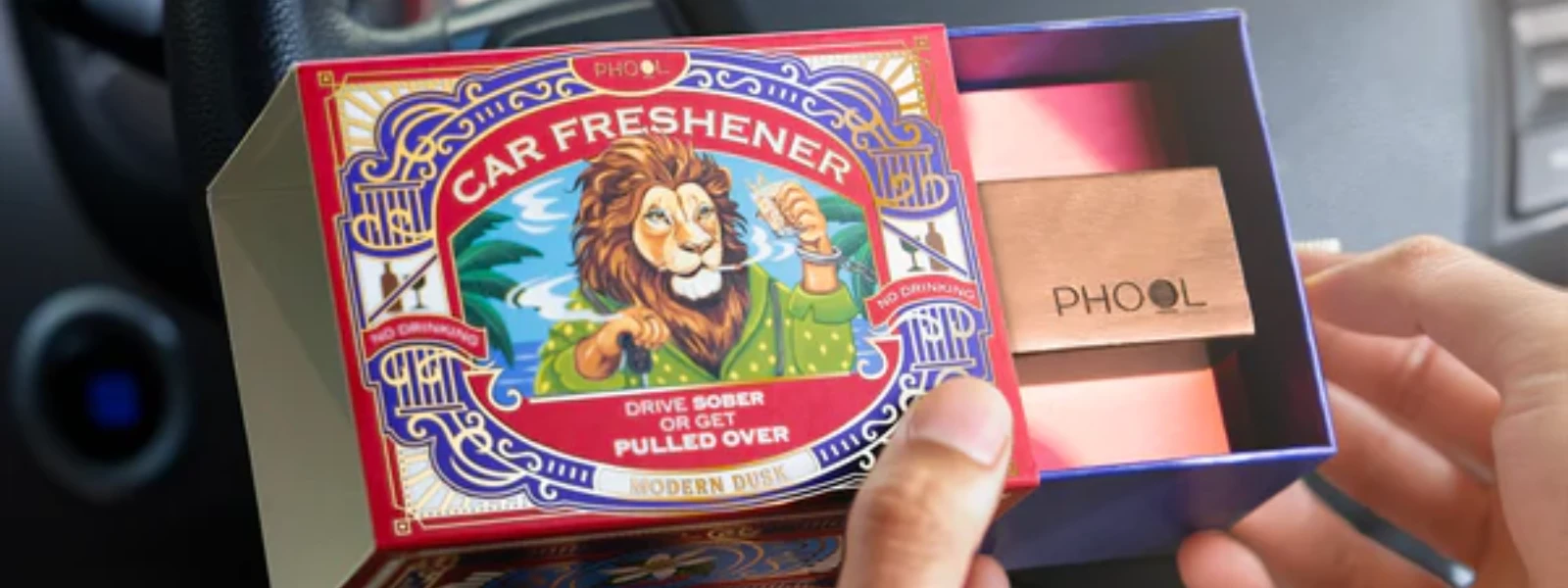
For those seeking premium car freshening solutions, Phool's new Car Freshener collection reimagines an everyday car accessory as a thoughtfully designed lifestyle product that blends fragrance, storytelling, and functionality. Handcrafted from premium Sheesham wood, the diffuser features a sleek magnetic closure system and uses passive airflow from the AC vent to deliver a steady, long-lasting fragrance experience without any spills, liquids, electricity, or plastic. Each box comes with six porous fibre fragrance sticks infused with essential oils that last up to 75 days in total, while the fragrances themselves are crafted using methods like cold pressing and steam distillation for a more authentic and refined scent profile. Available in six unique variants such as Aqua Sports, Modern Dusk, and Tangerine Noir, every fragrance is paired with bold, award-winning packaging inspired by Indian culture and road safety themes. Designed to be both collectible and functional, the product transforms the simple act of driving into a more sensory, stylish, and meaningful experience.
Complete odor elimination requires identifying and removing the source, deep cleaning affected areas, applying appropriate treatments, and maintaining proper ventilation. Combine immediate cleaning with absorption methods like baking soda or activated charcoal for lasting results.
Use baking soda for absorption, white vinegar for neutralization, activated charcoal for ongoing odor control, and essential oils for natural fragrance. Coffee grounds and citrus peels also provide effective natural odor absorption without harsh chemicals.
The most effective approach combines source removal, thorough cleaning, natural absorption methods, and targeted treatments based on odor type. No single product works for all situations—success requires matching the solution to the specific odor source.
Simple odors like food spills typically clear within 24-48 hours with proper treatment. Moderate odors from pets or smoke may require 3-7 days of consistent treatment. Severe odors like mold or deep-set smoke can take 2-4 weeks of dedicated effort.
Consider professional help for persistent odors after multiple DIY attempts, extensive mold growth, valuable vehicle protection needs, or when odors indicate potential health hazards. Professionals have specialized equipment and expertise for challenging situations.
Successful car odor elimination requires patience, the right approach, and consistent effort. Start with identifying odor sources, then apply appropriate cleaning and treatment methods systematically. Natural solutions offer safe, effective alternatives for most odor problems, while professional techniques handle severe cases. Remember that prevention through regular maintenance and immediate attention to spills prevents most odor issues from developing. With this comprehensive guide, you now have the knowledge and tools to restore your vehicle's fresh, pleasant interior and maintain it long-term.

