



The Ultimate Checklist for Non-Toxic Car Air & Natural Scents

Your car is more than just a way to get around—it's your personal space on wheels. But many conventional car air fresheners fill this intimate space with harmful chemicals that can affect your health and well-being. From synthetic fragrances to volatile organic compounds (VOCs), these products often do more harm than good. The good news? Creating a fresh, pleasant-smelling car doesn't require compromising your health or the environment. This comprehensive checklist will guide you through everything you need to know about non toxic car air solutions and natural alternatives that keep your vehicle smelling amazing while protecting what matters most.
The confined space of your car creates a unique environment where air quality becomes crucial. Unlike your home, where air can circulate freely, your vehicle traps whatever you breathe for extended periods. This makes choosing the right car air freshener a decision that directly impacts your daily health.
Conventional air fresheners often contain phthalates, formaldehyde, and benzene—chemicals linked to headaches, respiratory irritation, and long-term health concerns. These substances become particularly concentrated in hot cars, where temperatures can amplify their release into the air you breathe. Children and pets are especially vulnerable to these effects, as their smaller bodies process toxins differently than adults.
The shift to chemical free car air solutions isn't just about avoiding immediate discomfort. Studies have shown that prolonged exposure to synthetic fragrances can trigger asthma, allergies, and even hormonal disruptions. When you consider that many people spend over an hour daily in their cars, the cumulative impact becomes significant. Natural alternatives offer the same pleasant experience without these hidden health risks.
The world of natural car scent solutions offers diverse options that cater to different preferences and needs. From high-tech diffusers to simple DIY solutions, there's a perfect match for every driver and budget.
Modern essential oil car diffuser systems have revolutionized how we approach vehicle fragrance. These devices use ultrasonic technology or passive diffusion to release pure essential oils into your car's air system. Popular options include USB-powered diffusers that plug into your car's charging port and vent-mounted systems that use your AC's airflow.
The best essential oils for cars include lavender for relaxation during stressful commutes, peppermint for alertness on long drives, and lemon for a clean, energizing atmosphere. Eucalyptus works wonderfully for clearing stuffy air, while frankincense creates a luxurious, calming environment.
Certified organic car fragrance products use plant-based ingredients and sustainable extraction methods. These products often feature natural carriers like coconut oil or plant-based glycerin instead of synthetic chemicals. Many come in recyclable packaging and use renewable ingredients that biodegrade safely.
Bamboo charcoal air purifiers deserve special mention as they naturally absorb odors without adding any fragrance. These work particularly well for eliminating stubborn smells like smoke or food odors while maintaining completely neutral air quality.
Eco friendly car air freshener options extend beyond just the ingredients to include sustainable packaging and ethical production methods. Activated charcoal bags offer excellent odor elimination while lasting for months with simple recharging in sunlight. Natural fiber sachets filled with dried herbs like lavender or rosemary provide gentle, long-lasting fragrance.
Beeswax-based air fresheners combine natural fragrance with air-purifying properties. These products often come in reusable containers and use minimal packaging, making them an excellent choice for environmentally conscious drivers.
Creating your own safe car air freshener gives you complete control over ingredients while saving money. These simple recipes use common household items and natural ingredients to create effective, pleasant-smelling solutions.
Baking soda naturally absorbs odors without masking them with artificial fragrances. Mix half a cup of baking soda with 10-15 drops of your favorite essential oil in a small jar. Poke holes in the lid and place it under your seat for continuous odor control.
For a portable option, fill coffee filters with the baking soda mixture, tie them closed, and tuck them into cup holders or door pockets. These sachets last 2-3 weeks and can be refreshed with additional essential oils.
Create an effective spray by mixing 1 cup of distilled water, 2 tablespoons of vodka or witch hazel, and 15-20 drops of essential oils in a spray bottle. The alcohol helps the oils mix with water and acts as a natural preservative. Shake well before each use and spray lightly on fabric surfaces.
For a citrus-fresh option, combine lemon essential oil with sweet orange and a touch of lavender. This blend energizes without being overwhelming and naturally eliminates odors.
Felt pads soaked in essential oils create simple, effective diffusers. Cut felt into small circles, add 5-10 drops of oil, and clip them to your air vents. Replace the oil weekly or when the scent fades.
Clay discs work similarly but last longer. Purchase unglazed clay discs from craft stores, add essential oils, and hang them from your rearview mirror or place them in cup holders.
The best car air purifier systems go beyond fragrance to actually clean your vehicle's air. These devices remove pollutants, allergens, and odors while maintaining a fresh environment without chemicals.
HEPA filter systems capture particles as small as 0.3 microns, including dust, pollen, and bacteria. Many portable units designed for cars plug into 12V outlets and feature quiet operation suitable for driving. Look for models with multiple filtration stages that include activated carbon for odor removal.
Ionizer systems work differently by releasing negative ions that bind to pollutants, causing them to settle out of the air. While effective, ensure any ionizer you choose doesn't produce ozone, which can be harmful in enclosed spaces. The best units combine multiple technologies for comprehensive air cleaning.
Navigating the market for non toxic car scent products requires knowing what to look for and what to avoid. Understanding labels and certifications helps you make informed choices that protect your health.
Ingredient transparency is crucial—reputable brands list all components clearly. Look for products certified by organizations like GREENGUARD or EPA Safer Choice, which verify low chemical emissions. Phthalate-free and paraben-free formulations ensure you're avoiding the most concerning chemicals.
Sustainable packaging indicates a brand's commitment to environmental responsibility. Products using recycled materials or refillable containers often reflect higher quality standards overall.
Avoid products listing "fragrance" as an ingredient without further specification—this term can hide dozens of undisclosed chemicals. Aerosol sprays often contain harmful propellants and create unnecessarily high concentrations of chemicals in your car's air.
Overly strong scents that seem to mask odors rather than eliminate them usually rely on synthetic chemicals. Natural products typically offer subtler, more pleasant fragrances that work with your car's natural air circulation.
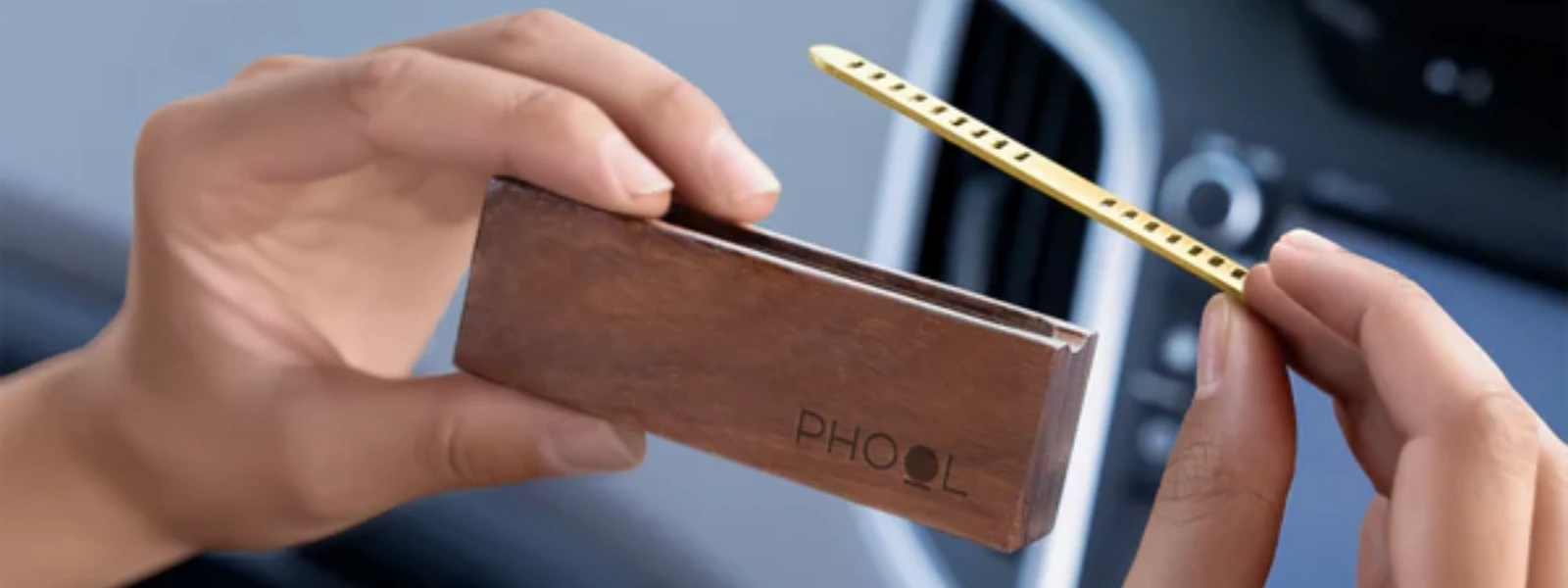
The market for natural car fragrances continues to evolve with innovative products that combine functionality with sustainability. Phool's new Car Freshener collection reimagines an everyday car accessory as a thoughtfully designed lifestyle product that blends fragrance, storytelling, and functionality.
Handcrafted from premium Sheesham wood, these diffusers feature a sleek magnetic closure system and use passive airflow from the AC vent to deliver a steady, long-lasting fragrance experience without any spills, liquids, electricity, or plastic. Each box comes with six porous fibre fragrance sticks infused with essential oils that last up to 75 days in total, while the fragrances themselves are crafted using methods like cold pressing and steam distillation for a more authentic and refined scent profile.
Available in six unique variants such as Aqua Sports, Modern Dusk, and Tangerine Noir, every fragrance is paired with bold, award-winning packaging inspired by Indian culture and road safety themes. Designed to be both collectible and functional, the product transforms the simple act of driving into a more sensory, stylish, and meaningful experience.
Creating lasting freshness in your car requires more than just adding fragrance—it involves preventing odors at their source and maintaining good air circulation. Regular cleaning with natural products forms the foundation of any effective car odor eliminator strategy.
Deep cleaning your car's interior monthly prevents odor buildup that even the best air fresheners can't overcome. Use natural cleaning solutions like white vinegar mixed with water for hard surfaces, and baking soda for fabric upholstery. These ingredients neutralize odors rather than masking them.
Pay special attention to areas where moisture can accumulate, such as floor mats and seat crevices. Moisture creates perfect conditions for mold and mildew, which produce persistent odors that synthetic fresheners often can't eliminate effectively.
Summer heat intensifies both odors and chemical emissions from conventional air fresheners. Natural alternatives like essential oil diffusers actually perform better in warm conditions, as heat helps disperse natural fragrances more effectively. Ensure good ventilation during hot weather to prevent any fragrance from becoming overwhelming.
Winter brings challenges with closed windows and heating systems that can circulate stale air. This season benefits from purifying scents like eucalyptus or tea tree oil, which help maintain fresh air quality in sealed environments.
Non-toxic car air fresheners are free from harmful chemicals like phthalates, VOCs, and synthetic fragrances, using natural ingredients like essential oils and plant extracts instead. They avoid artificial colors, synthetic preservatives, and chemical propellants that can cause health issues in enclosed spaces.
Yes, when used properly with pure essential oils and appropriate dilution, they're much safer than chemical alternatives and provide natural aromatherapy benefits. Always use high-quality oils and follow manufacturer guidelines for safe operation in vehicles.
Natural car air fresheners typically last 2-8 weeks depending on the type, with gel-based options lasting up to 60 days and DIY sachets needing replacement every 2-3 weeks. Wood-based diffusers with essential oil refills can last several months with proper maintenance.
Absolutely! Simple recipes using baking soda, essential oils, and natural carriers like witch hazel create effective, non-toxic car air fresheners. DIY options often cost less than INR 100 per month compared to INR 200-300 for commercial products.
Activated charcoal bags and baking soda-based solutions are most effective for odor elimination, while essential oils like lemon and eucalyptus provide fresh, clean scents. Tea tree oil also offers natural antimicrobial properties that help prevent odor-causing bacteria.
While initial costs may be higher, many natural options last longer and DIY alternatives can be very cost-effective compared to frequently replacing conventional fresheners. Quality natural products often provide better value over time, with some lasting 2-3 times longer than synthetic alternatives.
Choosing non-toxic car air solutions represents more than just a health-conscious decision—it's an investment in your daily well-being and environmental responsibility. Whether you opt for innovative products like handcrafted wood diffusers, simple DIY solutions, or high-tech air purification systems, the key is finding options that align with your lifestyle and values.
The transition to natural car fragrances doesn't require sacrificing effectiveness or pleasant scents. In fact, many people find that natural options provide more authentic, satisfying fragrances that enhance rather than overwhelm their driving experience. As awareness grows about the importance of indoor air quality, these healthier alternatives are becoming more accessible and affordable than ever before.
Remember that maintaining fresh car air is an ongoing process that combines the right products with good maintenance habits. By following this checklist and choosing natural alternatives, you're creating a healthier environment for yourself, your passengers, and the planet—one drive at a time.

